Programmes
Our CCE Programmes
Values-in-Action
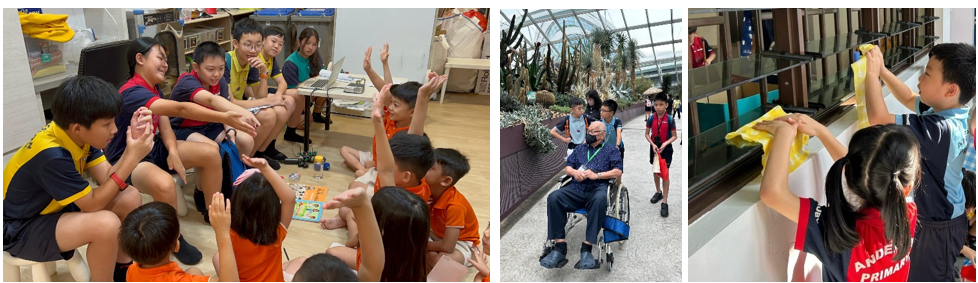
Our VIA programme moves learning beyond the classroom — nurturing empathy, civic consciousness, and a genuine sense of responsibility towards others. Through purposeful community engagement, students develop the skills and values to become active, compassionate, and future-ready citizens.
|
Level |
VIA Theme |
Programme |
|
All |
Everyday Responsibilities: Daily classroom cleaning routines and shared space maintenance instill a sense of responsibility. |
|
|
P1 |
Caring for Family and Friends |
Home Helpers: Simple, hands‑on tasks at home to practise care and responsibility for family and personal belongings. |
|
P2 |
Understanding My Friends |
Secret Care Friend: Show care and encouragement to classmates through thoughtful words and kind actions. |
|
P3 |
Kindness & Gratitude |
Ambassadors of Kindness: Take on a class mission to spread kindness through meaningful gestures and actions that make a difference to others. |
|
P4 |
Caring for shared spaces |
Guardians of Our Space: Each class adopts an area in the school and works together to keep it tidy, welcoming, and safe for the school community. |
|
P5 |
Being An Active Contributor |
Project Pristine: Clean Spaces, Clear Minds
|
|
P6 |
Serving Others |
Anderson Gives Back: empowers students to identify community needs, engage with local organisations, and initiate VIA projects that create meaningful impact. |
National Education (NE)
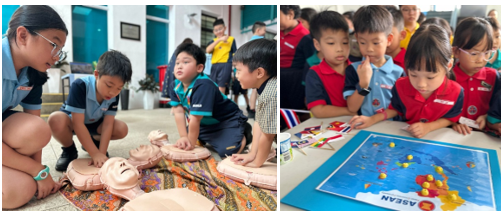
Through meaningful experiences and NE Commemorative Events, National Education fosters belonging and responsibility. Students deepen their understanding of Singapore’s identity and challenges, nurturing socially aware citizens ready to contribute actively to their communities.
1. Total Defence Day (TDD)
A reminder that safeguarding
Singapore is everyone’s responsibility. Students learn the importance of
unity, resilience, and vigilance in keeping our nation safe.
2. International Friendship Day (IFD)
Celebrates Singapore’s
ties with the region and the world. Students appreciate diverse cultures
and understand the value of friendship and cooperation among nations.
3. Racial Harmony Day (RHD)
Highlights the importance
of racial and religious harmony. Students appreciate diversity, understand
different customs, and reflect on issues that shape social cohesion.
4. National Day
A celebration of Singapore’s resilience
and progress. Students reflect on national identity, express hopes for
the future, and strengthen their sense of pride and belonging.
Peer Support and Relationships (PSR)
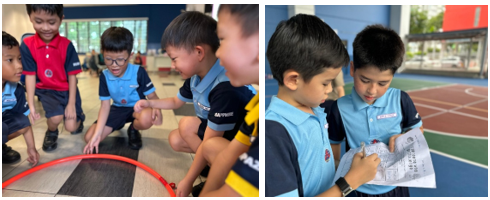
At Anderson Primary, we believe every student has the power to make a difference in someone else's day. Our PSR programme — anchored in the CCE 2021 Curriculum Framework — aims to build a community of care where students are equipped and empowered to look out for one another.
When peer relationships are strong, students feel a deeper sense of belonging — and that sense of connection is itself a vital safety net for those who need help.
To make this a reality, our PSR programme develops students across three interconnected domains: Peer Bonding, Peer Helping, and Peer Influencing. Together, these nurture students who are not only well-supported, but who actively contribute to the well-being of those around them.
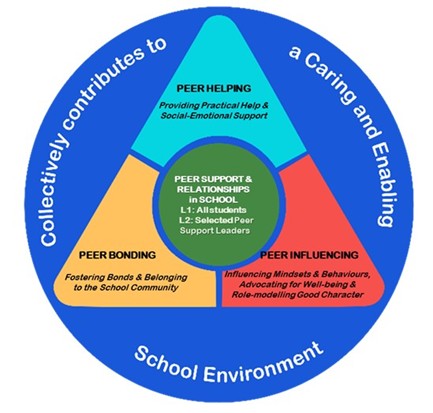
This commitment plays out at every level of school life through two tiers of implementation.
Tier 1 — Every Andersonian is a Peer Supporter
Through explicit teaching of PSR knowledge and skills, all students are equipped to care for their peers. Care Leaders in the Class Committee foster a kind, inclusive class culture using two practical frameworks:
-
The CHEER Model guides students in supporting a peer in distress — Calm, Hear, Empathise, Encourage, Refer.
-
The LOOK Model cultivates a proactive mindset — actively looking out for peers showing signs of distress and reaching out to befriend those who may be isolated.
Tier 2 — Peer Support Leaders (PSLs)
These are trained student leaders who extend peer support beyond the classroom. They strengthen our school's culture of care and lead key school-wide programmes including the Anderson Kindness Movement, Bully-Free Campaign, and Sunbird Wellness Club.
Cyber Wellness: Empowering Digital Citizens of Tomorrow
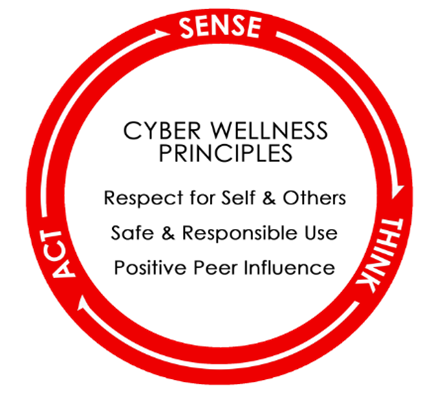
Cyber Wellness in CCE empowers students to thrive in a digital world, ensuring they navigate the online world with discernment and integrity. Our curriculum is anchored by three strategic student outcomes:
-
Balanced Living: Embracing technology's potential while maintaining a healthy harmony between online and offline activities.
-
Digital Integrity: Building a respectful and safe online presence by using technology ethically and leaving a positive, lasting digital footprint.
-
Personal Well-being: Taking personal ownership of mental and emotional health to stay resilient and secure within the evolving digital landscape.
Guided by the MOE Cyber Wellness Framework, our programme ensures students become discerning, safe, and responsible digital citizens through five core topics:
|
Topics |
Students will learn about |
|
Cyber use |
|
|
Cyber identity |
|
|
Cyber relationships |
|
|
Cyber citizenship |
|
|
Cyber ethics |
|
Cyber Wellness: A Partnership with Home
Parents play a key role in their children’s growth. Cyber Wellness is
most effective when the values taught in school are mirrored and practiced
at home. To nurture a digitally resilient child, we encourage parents to:
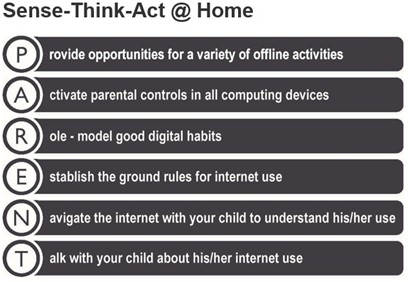
Parents can also refer to MOE’s (ICT Connection ) portal for a list of guides, tips, resources and useful links to reinforce CW education at home.
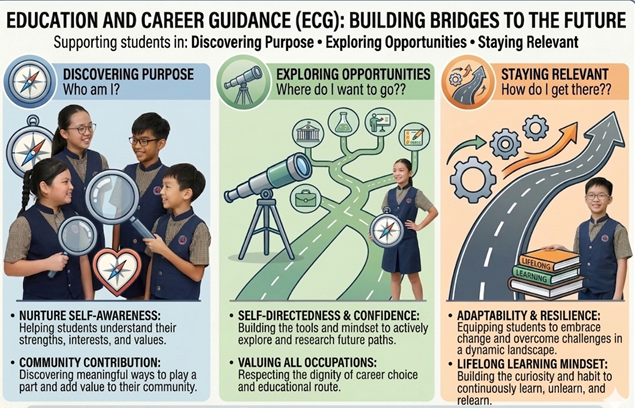
Education and Career Guidance (ECG)
Our Education and Career Guidance (ECG) programmes are designed to empower every student to discover their unique purpose, explore possibilities, and build the resilience required to stay future-ready.